
Why Receiving Flowers Instantly Lifts the Human Spirit

There is a quiet magic in receiving flowers. It happens in the space between surprise and recognition—the moment your eyes meet color, texture, and life arranged just for you. Flowers don’t speak, yet they communicate instantly, bypassing logic and landing directly in the emotional center of the brain. That is why, across cultures and generations, flowers remain one of the most powerful emotional gestures humans exchange.
From a psychological perspective, flowers trigger positive emotional responses almost immediately. Studies in behavioral science show that unexpected gifts—especially natural ones—activate dopamine pathways associated with pleasure and reward. Flowers amplify this effect because they combine beauty, novelty, and symbolism in a single experience. The brain reads them as a sign of care, effort, and connection.
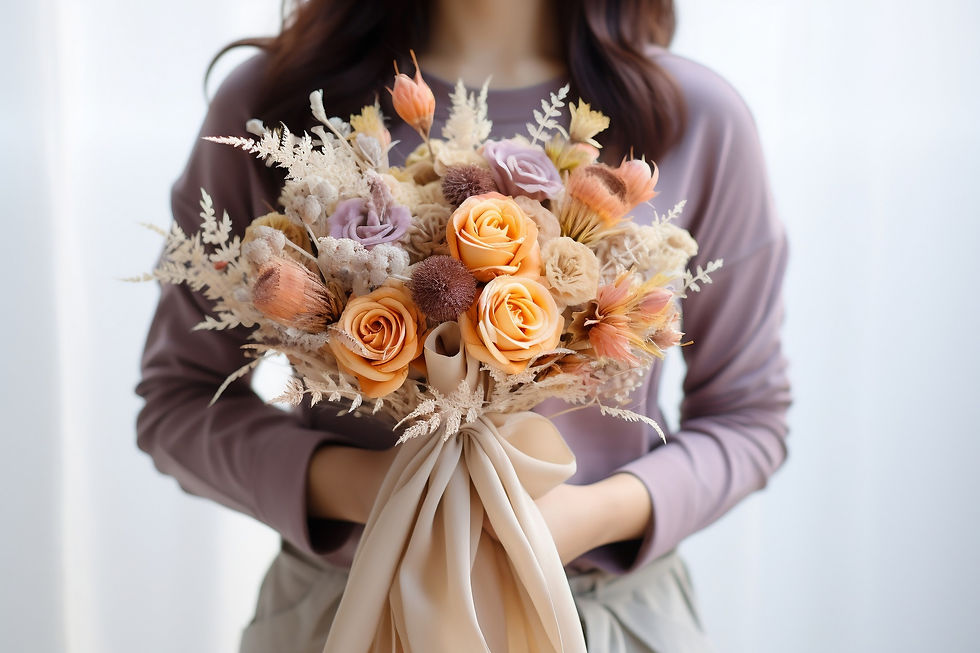
Color plays a crucial role. Warm tones like reds, yellows, and pinks stimulate energy and joy, while softer hues such as lavender or white promote calm and emotional balance. Even the scent matters: floral fragrances are closely linked to memory and emotion, often recalling moments of safety, affection, or celebration. This sensory layering makes flowers emotionally “sticky”—they linger in the mind long after the bouquet is placed in water.
What makes flowers especially unique is their non-verbal clarity. They say “I’m thinking of you” without demanding anything in return. Unlike digital messages or material gifts, flowers are ephemeral. Their temporary nature reminds us to be present, to appreciate beauty while it exists. This fleeting quality paradoxically makes them more meaningful, not less.
Receiving flowers can also influence behavior. People who receive flowers often display increased openness, improved mood, and greater social engagement for hours—or even days—afterward. In workplaces, homes, and hospitals, flowers subtly reshape emotional environments, making spaces feel warmer and more humane.


Comments